Promoting academic excellence for UNILIA in contributing to the achievement of global sustainable Development Goals
Transforming the stragegic growth. Thus research has central place within the strategic plan, as a major indicator of, contributor to and beneficiary of the development approaches, policies of the university.
Latest Updates & News
Stay informed about our recent achievements, workshops, grants, and events.
Conference Presentation
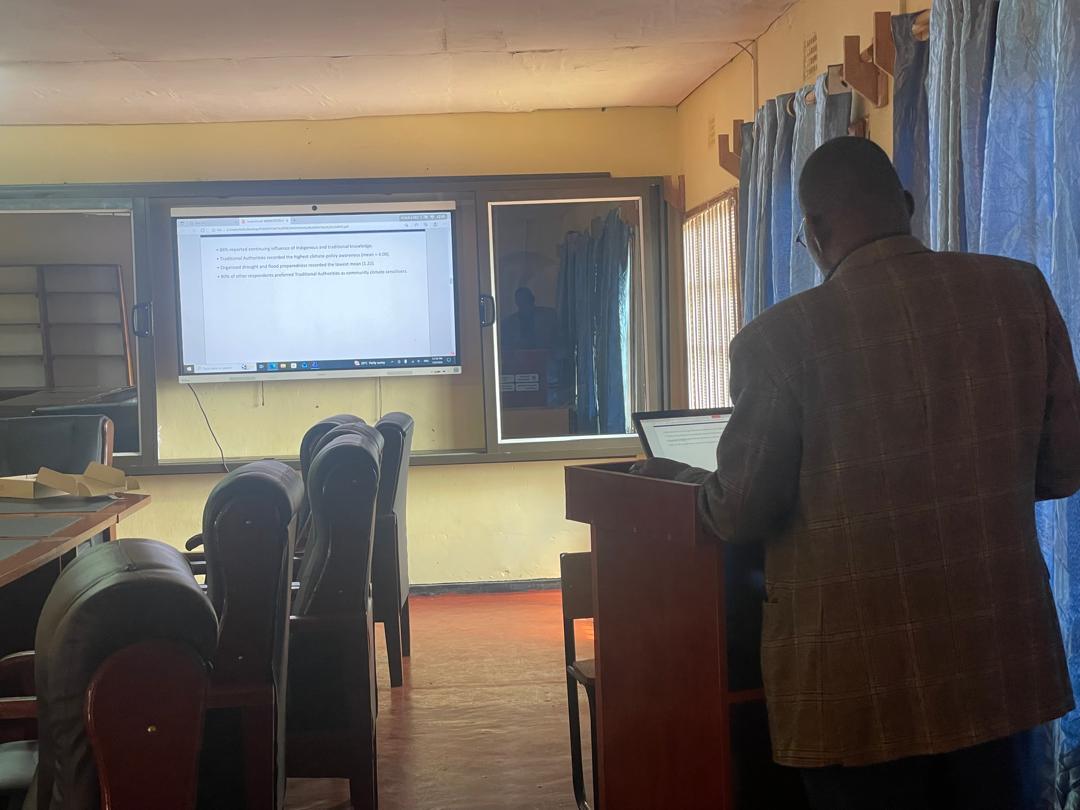
This presentation examined the role of Traditional Authorities (TAs) in promoting community engagement in climate change mitigation and adaptation in Mzimba District, Malawi. The study found that although communities possess strong Indigenous knowledge, trusted traditional leadership, and some awareness of climate policies, these strengths have not been translated into organized community preparedness and collective action. Traditional Authorities were identified as the most trusted and climate-aware local leaders, making them well positioned to bridge the gap between government climate policies and community action.
The study also identified two major governance gaps: the Climate Policy Translation Gap, where climate policies are not effectively communicated in ways that communities can understand and apply, and the Knowledge-to-Collective-Action Gap, where climate knowledge exists but is not transformed into coordinated preparedness for disasters such as floods and droughts. To address these challenges, the study introduced the Kumwanje Community Climate Governance Framework, which positions Traditional Authorities as Institutional Climate Intermediaries who can connect scientific knowledge, Indigenous knowledge, community participation, and formal institutions.
The presentation concludes that strengthening institutional connectivity through collaboration, capacity building, clear responsibilities, adequate resources, and structured community engagement is essential for improving climate resilience. It recommends empowering Traditional Authorities through training, integrating Indigenous knowledge with climate science, establishing local climate governance platforms, and institutionalizing community preparedness mechanisms to enhance sustainable climate adaptation and mitigation efforts.
UNILIA-REC Secretariat and Committee Members meeting
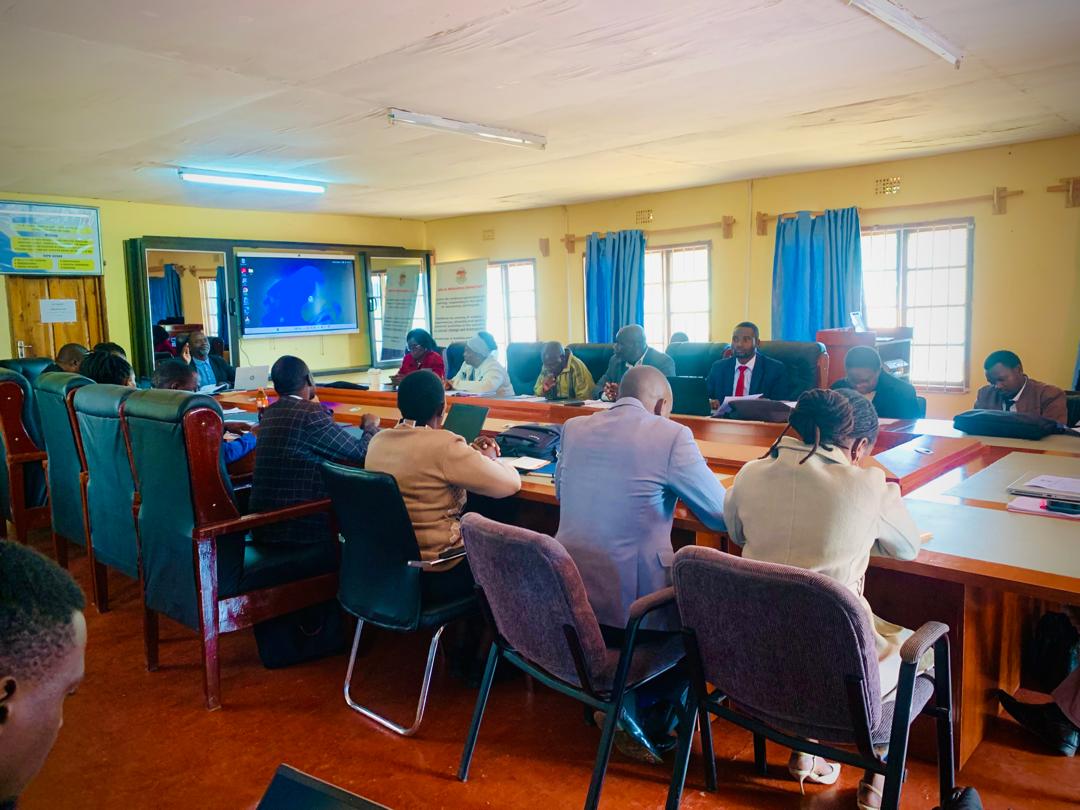
brought together both the UNILIA-REC Secretariat and Committee Members. The NCST team continued facilitating sessions on ethical principles, ethical review processes, informed consent, participant protection, confidentiality, and the responsibilities of Research Ethics Committee members in safeguarding the rights and welfare of research participants. The KU-REC Administrator also shared practical experiences on how the Kamuzu University of Health Sciences Research Ethics Committee (KU-REC) manages its ethical review processes and committee operations, providing valuable insights and lessons that participants could adopt in strengthening the UNILIA-REC.
Lauching of the Ideahub with students
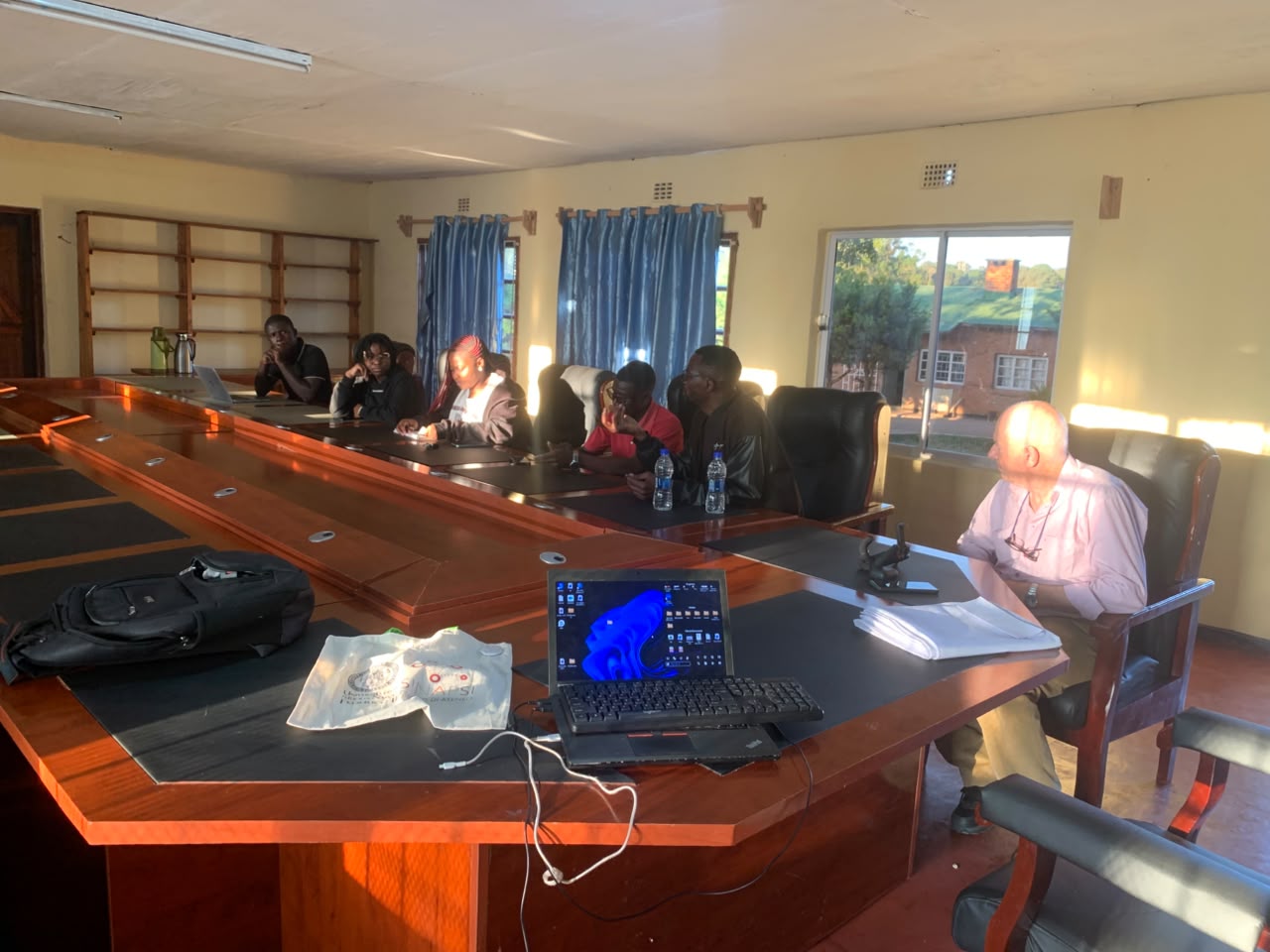
On this milestone day, the IdeaHub was put into motion for the first time as part of a practical training and orientation session. The program is designed to bridge the gap between the central facility and surrounding local communities by teaching essential digital literacy, innovation, and ICT skills to students and residents.
The training saw active participation from dedicated students who engaged in hands-on practice sessions, demonstrating eagerness to learn and apply new concepts. The event was further enriched by the presence of the University Registrar, who provided institutional support and guidance. Our special visitor (pictured in the pink shirt) joined the proceedings, offering valuable insights and encouragement to the participants. They were ably supported by Gracious and Calvin, the ICT Intern, who played key roles in facilitating the technical aspects of the session.
The gathering included both indoor strategic discussions in the well-equipped boardroom and outdoor interactions, symbolizing the IdeaHub’s commitment to accessible, community-centered learning and collaboration. This inaugural session marks the beginning of a broader rollout to empower more individuals across local areas through practical, impactful education.
The images capture key moments: the warm welcome and handshake with the visitor outside the centre, as well as the focused group session inside the conference room where laptops, discussions, and active engagement defined the launch of the IdeaHub.
SEED PROJECT MEETING
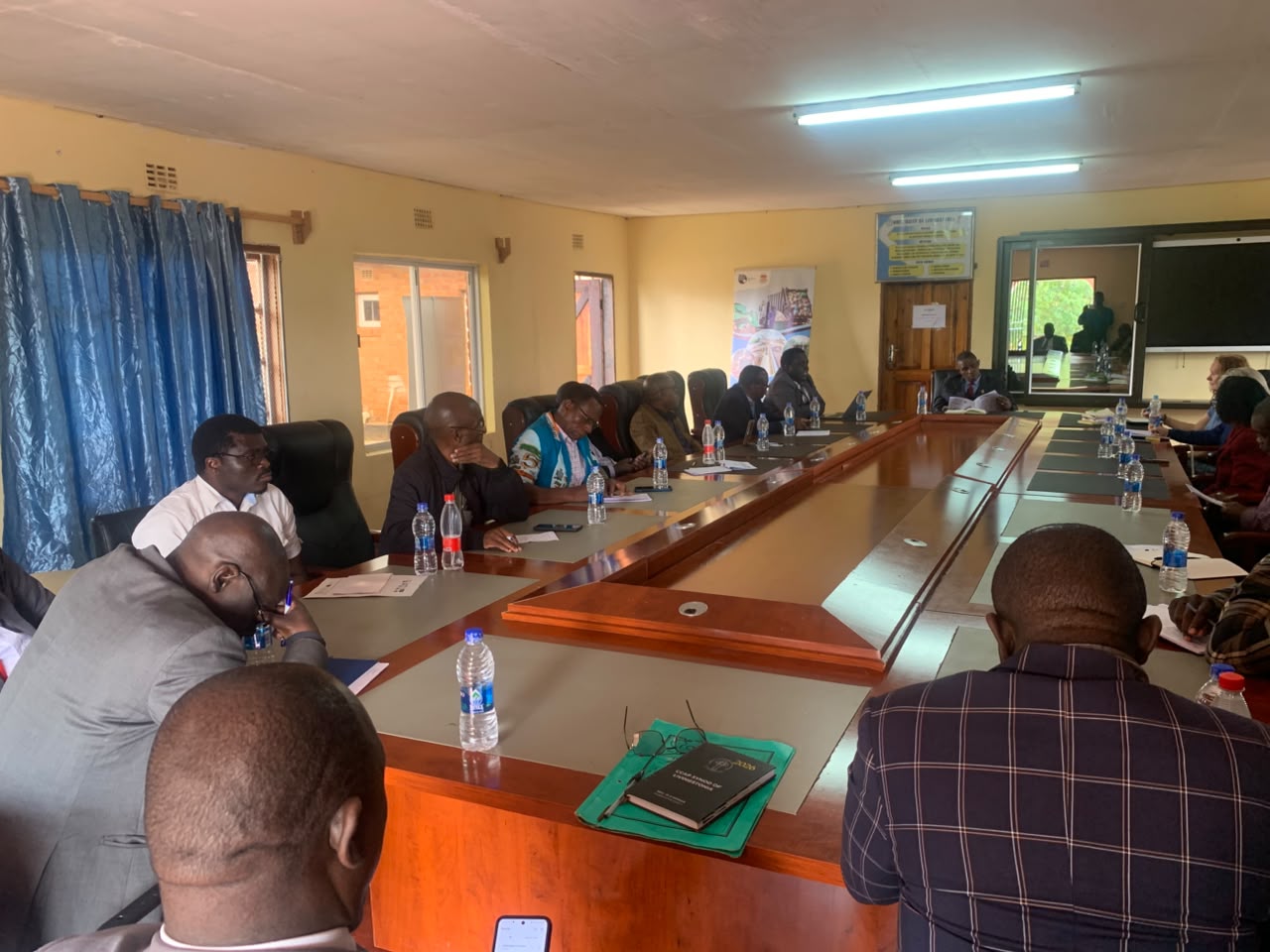
First Conference Room Meeting with Visitors – SEED Project
The SEED Project marked an important milestone by hosting its first official conference room meeting with visiting partners, project representatives, and key stakeholders. The meeting brought together participants from different institutions and organizations to discuss the project's vision, objectives, expected outcomes, and implementation approach.
During the session, participants were welcomed and introduced to the Sustainable Enterprise and Entrepreneurship Development (SEED) Project, highlighting its commitment to strengthening sustainable community enterprises, promoting entrepreneurship, and creating opportunities for inclusive economic development. The meeting also served as a platform for sharing experiences, exchanging ideas, and identifying areas where stakeholders can work together to achieve the project's goals.
Discussions focused on the project's implementation strategy, stakeholder roles and responsibilities, capacity-building initiatives, and the importance of collaboration in ensuring the project's success. Participants actively engaged in constructive dialogue, asked questions, and shared valuable recommendations that will contribute to improving project implementation and community impact.
The presence of the visiting delegation reinforced the importance of partnership, transparency, and mutual learning. Their engagement demonstrated a shared commitment to supporting sustainable development initiatives and strengthening local institutions through cooperation and knowledge exchange.
The meeting concluded with a renewed commitment from all participants to work together in advancing the objectives of the SEED Project. It established a solid foundation for future collaboration, continuous stakeholder engagement, and successful implementation of activities that will benefit communities and contribute to sustainable enterprise development.
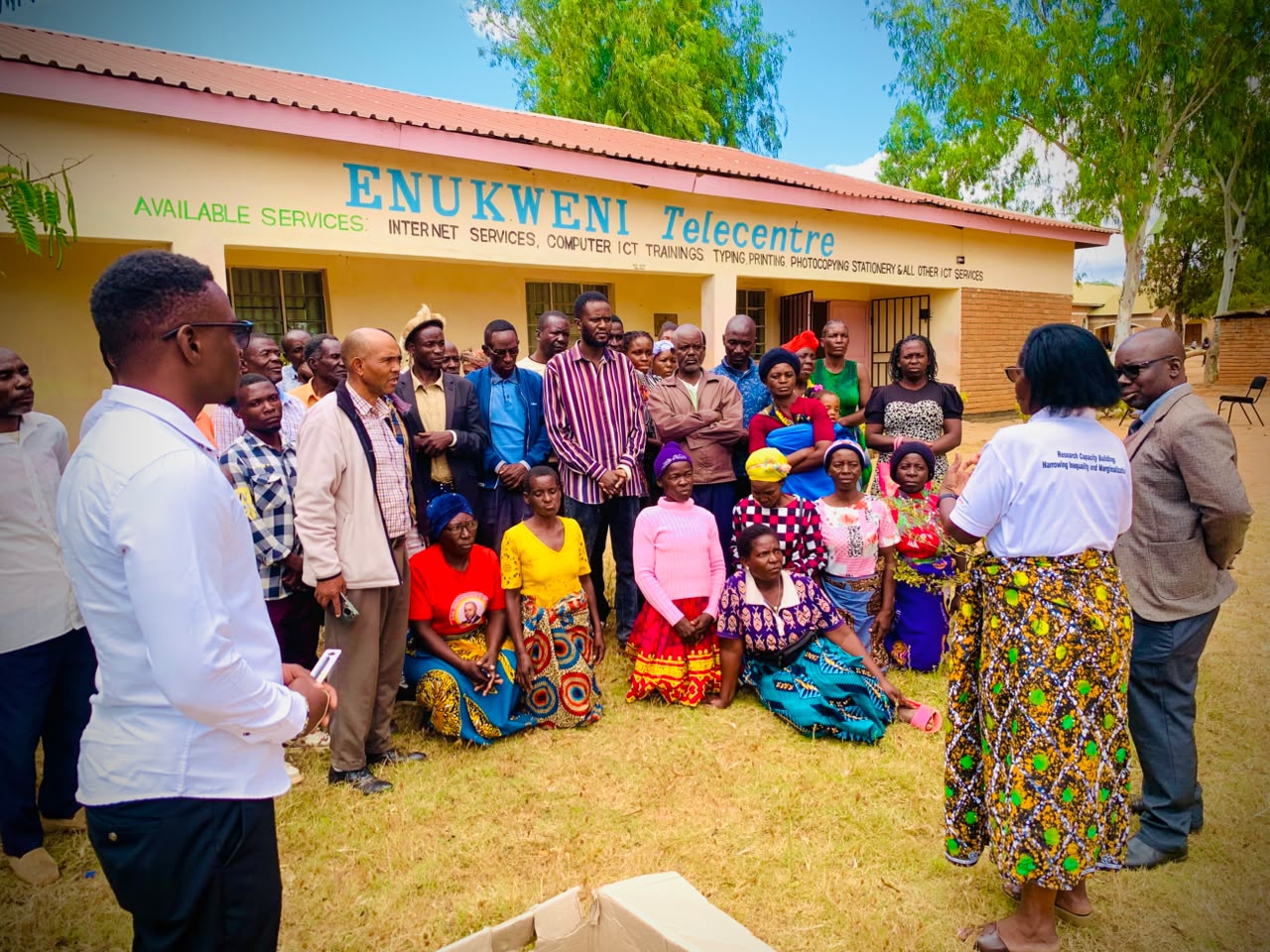
Quastionnaire on Organic fertilizer availability and also the donation of Laptop and desktop to the community
As part of our ongoing community engagement and project implementation activities, our team visited Enukweni to donate a laptop and a desktop computer to help strengthen access to digital resources and ICT services. The donation is aimed at enhancing learning, communication, and administrative capacity within the community.
In addition to the equipment handover, we conducted project data collection by interacting with community members and stakeholders. This exercise allowed us to gather valuable information on project progress, community needs, and the impact of our interventions. The visit reflected our commitment to empowering communities through technology while ensuring that project decisions are informed by accurate and up-to-date data. The warm reception from the community highlighted the importance of collaboration in achieving sustainable development outcomes.
Research Priorities
Research Projects
Our researchers drive impactful projects in partnership with communities, funding bodies, and international collaborators.